 Little Health Law Blog


 Exorbitant inflation of the price of prescription medication is a lingering concern for U.S. patients unable to afford to pay for the medication they need. According to a 2013 study by Walgreens, four out of ten senior citizens delay prescription refills or skip doses to save money.
The recent dramatic price increases of certain specialty pharmaceutical drugs has prompted recent action by federal prosecutors, according to articles by MSN and the Wall Street Journal.
The MSN article notes that two pharmaceutical companies: Valeant Pharmaceuticals International and Turing Pharmaceuticals, described as among the “worst offenders” in so-called drug “price gouging” received formal requests from prosecutors investigating their drug pricing and other business practices. This action followed a Congressional hearing last summer addressing Valeant’s price increases of Isuprel, a drug used to treat cardiac arrest, and Nitropress, a blood pressure drug. The cost of Isuprel increased more than 600%, from $215 to over $1,300, while the cost of Nitropress increased more than 300%, from$257 to just over $800 per vial. Turing made waves last summer when it purchased the marketing rights to Daraprim, used to treat an infection that can be life threatening in infants and patients with diseases such as AIDS and cancer, raising the price of the 60-year old drug from $13.50 to $750 a pill. Responding to public criticism, its CEO, Martin Shkreli, agreed to lower the price of the medication, but never did so.
 Many employers planning ahead as to their employee health benefit plans are considering modifying or eliminating employee flexible spending accounts (FSAs),
  About two-thirds of Georgia hospitals can expect to be fined for excessive Medicare readmissions, according to a
  Recent articles by ProPublica and NPR spotlight the absence of reporting requirements by pharmaceutical companies of their payments to nurse practitioners and physician assistants under the Affordable Care Act’s (ACA) Physician Payment Sunshine Act. The
 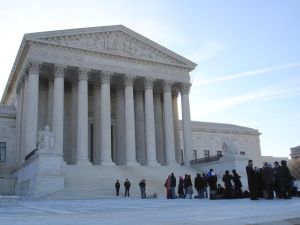 This week in a 6 to 3 ruling, the United States Supreme Court issued its decision in King versus Burwell, a case brought as a major threat to the viability of the Affordable Care Act (ACA). Congress, health providers, Supreme Court and Affordable Care Act watchers and more than 6.4 million consumers who benefit from health coverage assistance in the form of federal subsidies under the Affordable Care Act (ACA) had anxiously awaited a ruling in the case following the presentation of oral arguments in March.
 In the wake of the Affordable Care Act (ACA), healthcare costs continue to rise both for the average American family and for their employers sponsoring healthcare plans. According to a
  Some critical details of The Affordable Care Act (ACA) are often omitted from the political rhetoric and other noise during public debate about whether the ACA is a “good” or “bad” thing. One such detail – and a huge one – is the ACA’s significant expansion of compliance risks for medical practices and other health care entities.
 On December 9, 2014, the U.S. Department of Health & Human Services (HHS)