 Little Health Law Blog


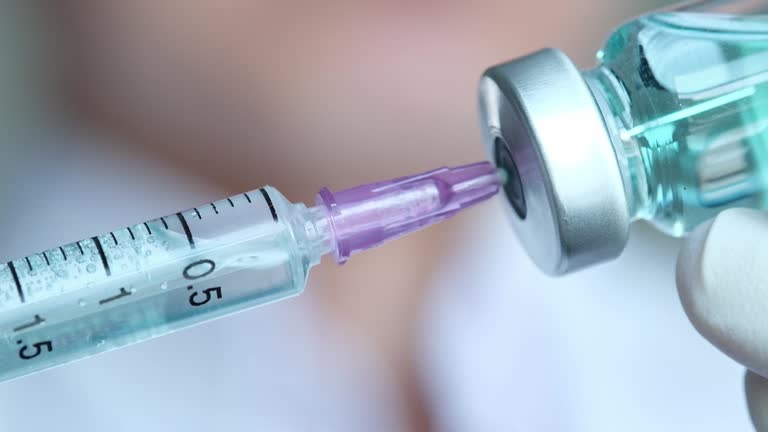
In states such as South Carolina, pharmacists are allowed to administer flu vaccines and other vaccines, such as the COVID-19 vaccine, without an order from a licensed provider. In 2025, the South Carolina Joint Pharmacist Administered Vaccines Committee revised its protocol for South Carolina pharmacists to administer vaccines. This blog covers two important takeaways that South Carolina pharmacists should consider before administering certain vaccines to customers. If you are concerned how this protocol affects you or would like to discuss this blog post, you may contact our healthcare law firm at (404) 685-1662 (Atlanta) or (706) 722-7886 (Augusta), or by email, info@littlehealthlaw.com. You may also learn more about our law firm by visiting www.littlehealthlaw.com.
First Takeaway: Pharmacists, Pharmacy Interns, and Pharmacy Technicians Must Meet Certain Requirements Before Administering Vaccines.
The protocol requires pharmacists, pharmacy interns, and certain pharmacy technicians to meet specific requirements before they can administer vaccines to customers, including licensing requirements, certification and training requirements, and continuing education requirements. Pharmacists, pharmacy interns, and certain pharmacy technicians must be certified to administer CPR and complete training about vaccine administration, informed consent, and management of adverse events and complications. The protocol has a list of approved programs for immunization training.
Second Takeaway: Pharmacist, Pharmacy Interns, and Pharmacy Technicians Have a Limited Number of Vaccines They Can Administer Without an Order from a Licensed Provider.
The protocol clarifies that pharmacists, pharmacy interns, and pharmacy technician, the last two under pharmacist supervision, can administer only a few vaccines without an order from a licensed provider. These vaccines include influenza, COVID-19, measles, mumps, rubella (MMR), RSV, pneumococcal pneumonia, etc. To administer these vaccines, pharmacists, pharmacy interns, and pharmacy technicians need to comply with protocol requirements, assess patient eligibility for the vaccines based on the protocol guidelines, and follow the vaccine’s packaging insert for dosing and administration information.
If you are concerned how this protocol affects you or would like to discuss this blog post, you may contact our healthcare law firm at (404) 685-1662 (Atlanta) or (706) 722-7886 (Augusta), or by email, info@littlehealthlaw.com. You may also learn more about our law firm by visiting www.littlehealthlaw.com.insurance or would like to discuss this blog post, you may contact our healthcare law firm at (404) 685-1662 (Atlanta) or (706) 722-7886 (Augusta), or by email, info@littlehealthlaw.com. You may also learn more about our law firm by visiting www.littlehealthlaw.com.