















 Our healthcare and business law firm works with many providers and other allied health professionals who are beginning their journeys of opening a Medical Spa. Medical Spas have been growing in popularity across the country. Medical Spas are unique practices in that they involve many medical and non-medical procedures. There are many factors to consider in opening a medical spa, and this series focuses on key factors to consider when opening a medical spa in Georgia. Although our healthcare law firm has assisted numerous clients in establishing a medical spa from the ground up, each client continues to present unique issues requiring our firm to research and analyze the nuances of each client’s intended setup. This Georgia Medical Spa Series is intended to provide a useful overview of some key laws, rules, and regulations impacting medical spas.
This post in the Georgia Medical Spa Series focuses on the use of an Esthetician in a medical spa. If you have questions regarding this blog post or would like to speak with counsel regarding opening your medical spa practice, you may contact us at (404) 685-1662 (Atlanta) or (706) 722-7886 (Augusta), or by email, info@littlehealthlaw.com. You may also learn more about our law firm by visiting www.littlehealthlaw.com.
Esthetician
The use of an esthetician in a medical spa is more limited than many of our clients think before coming to us. Continue reading ›

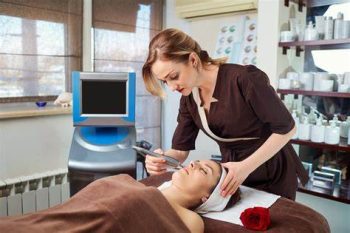 Our healthcare and business law firm works with many providers and other allied health professionals who are beginning their journeys of opening a Medical Spa. Medical Spas have been
  This is the second post in a series related to the Pretrial Diversion Program in Georgia. The first post provided an
  Our healthcare and business law firm works with many providers and other professionals who have been arrested and charged with misdemeanors. Our clients will, of course, hire criminal defense counsel to handle the criminal proceedings but professionals generally hire our firm navigate the professional consequences of an arrest. Many of our clients are first time offenders who are presented with the option of participating in a pretrial diversion program. Whether to participate in such a program should be discussed with criminal defense counsel. This is the first blog post of two on this subject, and it focuses on providing an overview of the Pretrial Diversion Programs in Georgia and the potential impact on a successful participant’s criminal record. The second post will focus on how successful completion may impact a participant’s professional responsibilities thereafter responding to questions relating to the offense on employment, licensing, and credentialing applications. If you have questions regarding this blog post or
  Our healthcare and business law firm works with many providers at all stages of employment, including physicians taking their first jobs after training, becoming partners at practices, and selling their practices and retiring. One consistently stressful time for all providers is resigning from a practice. Through our experience, we have learned many tips to assist providers in exiting employment as smoothly as possible. If you have questions regarding this blog post or
 Our healthcare and business law firm previously published a blog post on the
  Our healthcare and business law firm previously published a blog post on the
  Many of our healthcare and business law firm’s clients periodically face audits by insurance companies or governmental organizations, usually through a contractor. Audits can be unnerving times for a practice to go through. This blog post outlines 3 tips for handling an insurance audit. The Centers for Medicaid and Medicare recently published that the flexibilities allowed during COVID-19 will soon end and practices should ensure compliant safety and billing practices. As a result of this change after two and half years, practices may see increased audits. If you have questions regarding this blog post or